What Is Google AI Mode?
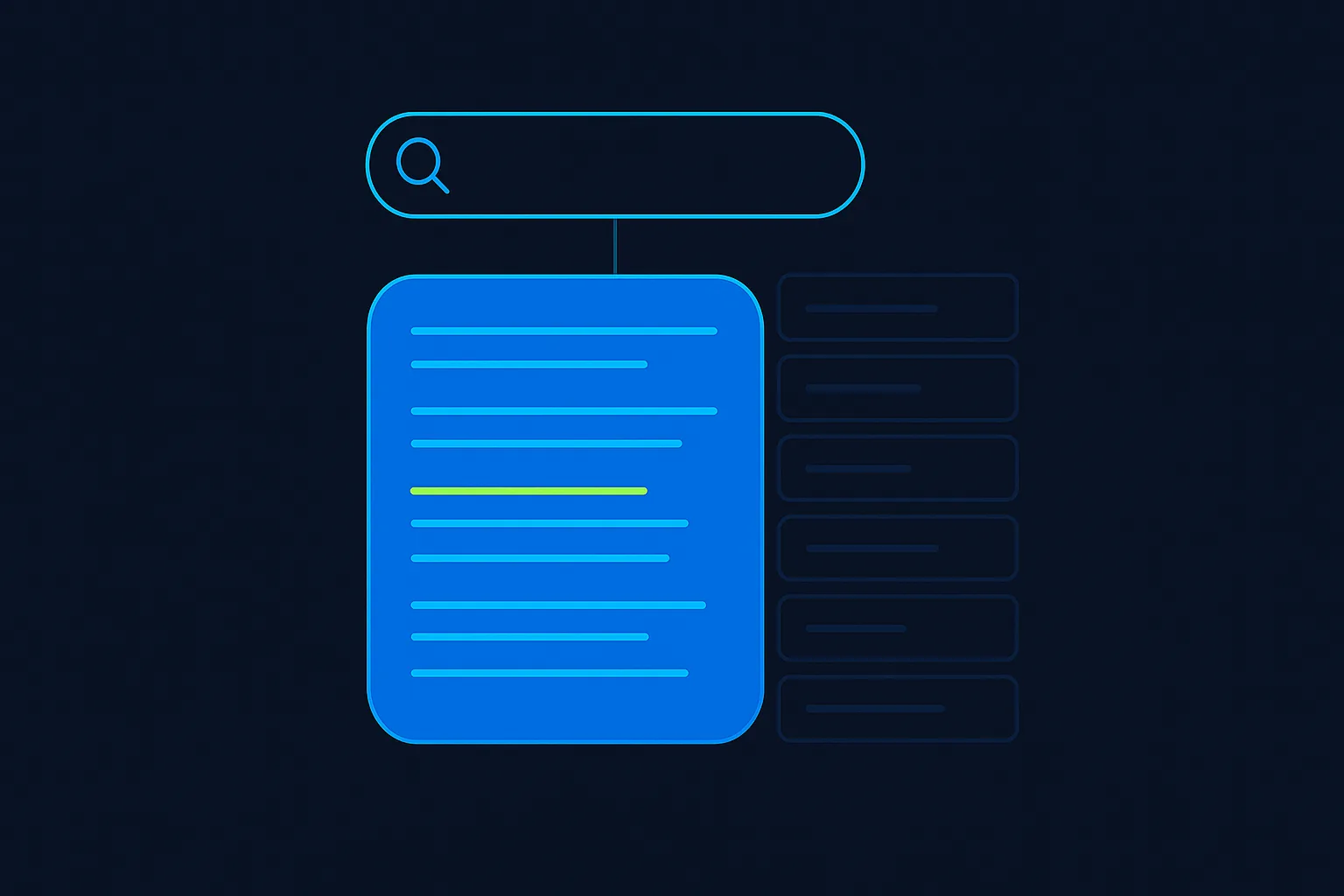
Google AI Mode is a fundamentally new way to search. Instead of returning a list of ten blue links and letting you click through to find your answer, AI Mode uses Gemini 2.5 — Google's most advanced AI model — to read the entire web on your behalf and deliver a single, comprehensive, conversational answer.
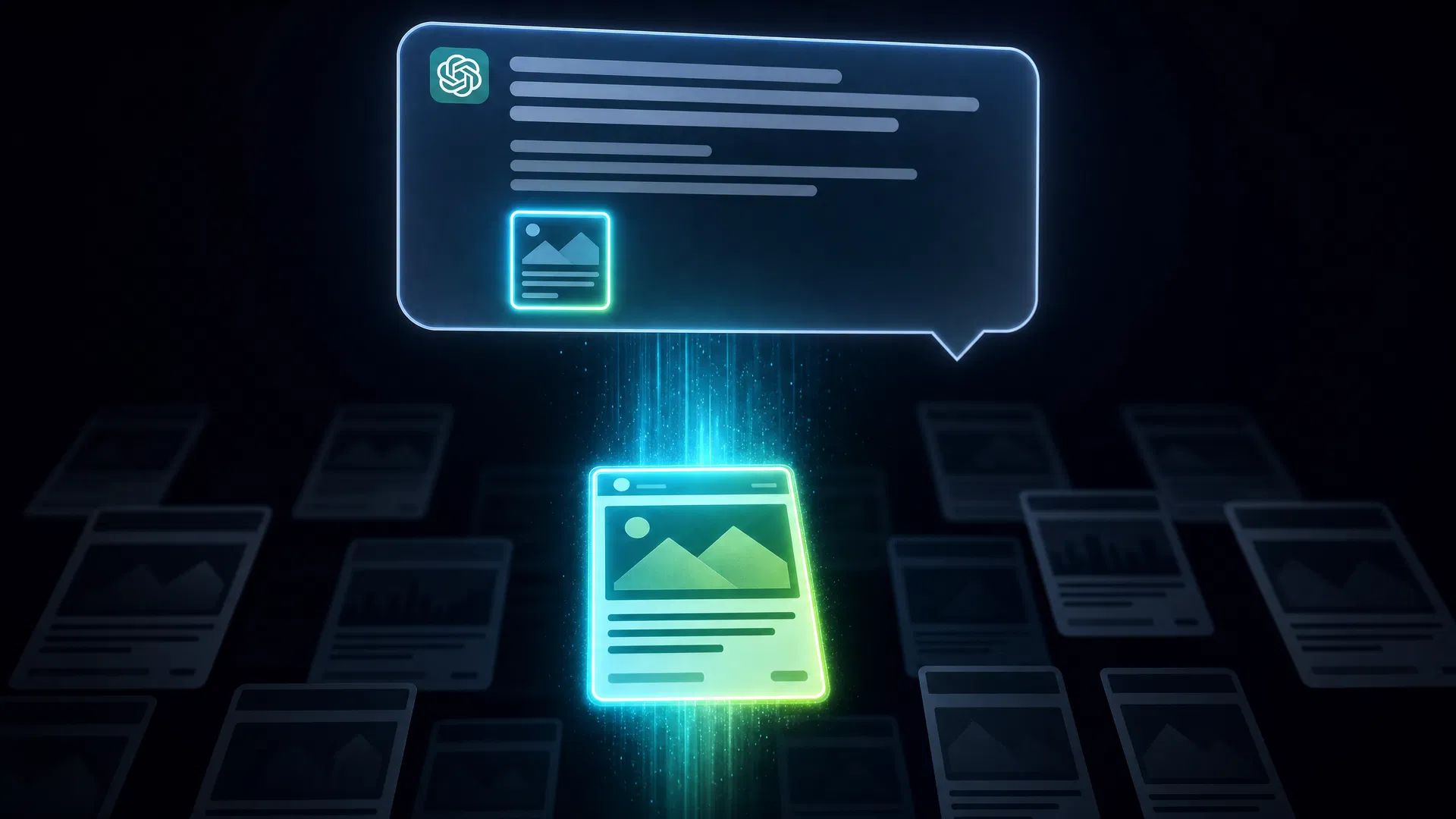
Announced at Google I/O and now rolling out to all U.S. users without requiring a Labs sign-up, AI Mode appears as a dedicated tab in Google Search. When activated, it doesn't show you results. It shows you the answer — synthesized from dozens of sources, with inline citations linking back to the pages it drew from.
Google's VP of Search, Elizabeth Reid, described it as going "beyond information to intelligence." The distinction matters: traditional search gives you information and asks you to assemble the answer yourself. AI Mode assembles the answer for you and asks if you want to go deeper.
Key Distinction
AI Mode is not the same as AI Overviews. AI Overviews are the short AI-generated snippets that appear above regular search results for some queries. AI Mode is an entirely separate search experience — a full-page, conversational AI interface that replaces the traditional results page entirely.
How AI Mode Actually Works (Under the Hood)
Understanding the mechanics of AI Mode is critical for any business that wants to appear in its results. Google uses a technique called query fan-out — here's what happens when someone searches in AI Mode:
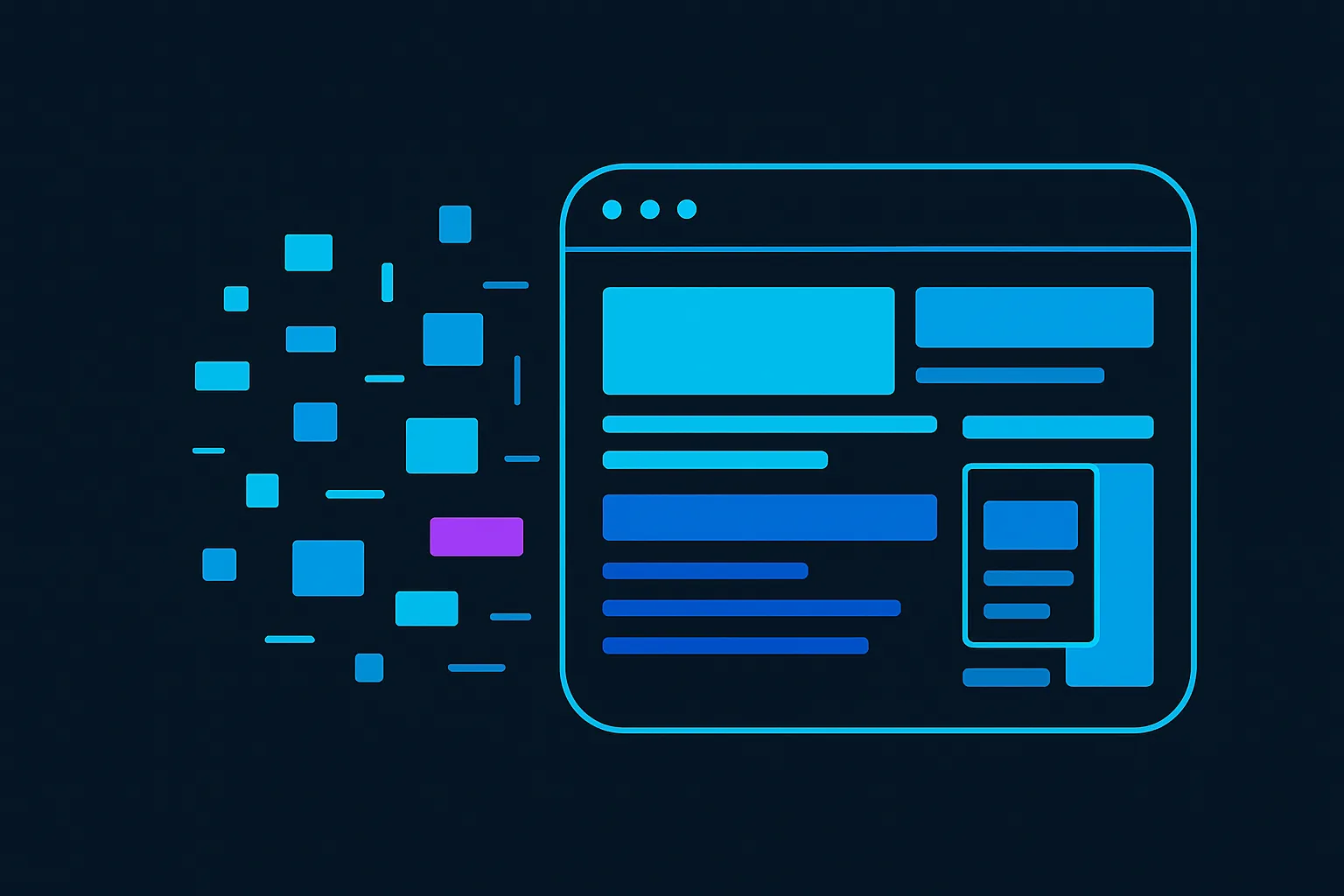
Query Decomposition
AI Mode breaks your question into multiple subtopics and angles, identifying the different dimensions of information needed to fully answer it.
Parallel Search Execution
It simultaneously issues dozens (sometimes hundreds) of individual searches across Google's index — far more than any human would run manually.
Source Evaluation
Gemini 2.5 evaluates each source for authority, relevance, recency, and expertise. Pages with strong E-E-A-T signals and structured content are weighted heavily.
Answer Synthesis
The model synthesizes information from the most authoritative sources into a coherent, conversational response with inline citations.
Follow-up Capability
Unlike traditional search, AI Mode maintains context. Users can ask follow-up questions, and the AI refines its answer without starting over.
The critical implication: AI Mode doesn't just look at your page in isolation. It compares your content against every other source on the topic simultaneously. If your competitor's page is more structured, more authoritative, or more directly answers the query, AI Mode will cite them instead of you — regardless of your organic ranking position.
The Traffic Impact: What the Data Shows
The numbers paint an unambiguous picture. AI-powered search features are systematically reducing the amount of traffic that flows to traditional organic results. Here's what the research shows:
drop in organic CTR when an AI Overview is present — Seer Interactive & DataSlayer study, September 2025
decline in publisher referral traffic from Google — Digital Content Next industry report, August 2025
year-over-year growth in traffic from LLM referrals — Semrush State of Search, 2025
of all Google queries now trigger an AI Overview above organic results — SparkToro, 2025
Google itself confirmed at I/O that AI Overviews are driving "over 10% increase in usage" for query types where they appear — meaning users are searching more when they get AI answers, but clicking through to websites less. The search pie is growing, but your slice is shrinking.
For businesses that depend on organic search traffic — which is most businesses — this isn't a future problem. It's a present one. Every month that passes without adapting your strategy is a month of compounding traffic loss.
The Zero-Click Problem
When AI Mode fully answers a user's question, there's no reason to click through to your website. This is the "zero-click search" problem at scale. The businesses that survive this shift are the ones that get cited inside the AI answer — earning brand visibility and trust even when the click doesn't happen.
Who Wins in AI Mode — And Who Disappears
AI Mode doesn't treat all content equally. Its citation patterns reveal clear preferences — and clear losers. Understanding these patterns is the difference between visibility and invisibility in the new search landscape.
Who Gets Cited
- Pages with clear, structured answers to specific questions
- Content backed by data, statistics, and original research
- Sites with strong E-E-A-T signals (credentials, reviews, mentions)
- Comprehensive topic clusters with deep interlinking
- Pages already ranking in the top 20 organic results
- Content with proper schema markup (FAQ, HowTo, Article)
Who Gets Skipped
- Thin content that restates what's already widely known
- Pages optimized for keywords but lacking genuine expertise
- Sites with no schema markup or structured data
- Content hidden behind aggressive pop-ups or paywalls
- Pages with poor Core Web Vitals and slow load times
- Generic blog posts without original data or unique perspective
The pattern is clear: AI Mode rewards depth, authority, and structure. It penalizes surface-level content that exists only to rank for a keyword. If your content strategy is built on publishing 500-word blog posts stuffed with keywords, AI Mode will systematically exclude you from its answers.
Your 7-Step Action Plan for AI Mode Visibility
Adapting to AI Mode isn't about abandoning SEO — it's about layering AI Search Optimization (AISO) on top of your existing strategy. For home service businesses specifically, our AI Mode guide for home services covers the exact steps. Here's the full playbook:
Audit Your AI Visibility Today
Search your primary keywords in AI Mode and check whether your business is cited. If you're not appearing, you have a baseline. If you are, note which pages are being cited and why.
Implement Comprehensive Schema Markup
Add FAQ, HowTo, Article, LocalBusiness, and Organization schema to every relevant page. This structured data is how AI models parse and understand your content at scale.
Restructure Content for AI Extraction
Rewrite key pages in clear Q&A format. Use descriptive H2/H3 headings that match natural language queries. Write concise, citable opening sentences for each section.
Build Topic Authority Clusters
Create comprehensive content clusters around your core services. Interlink deeply. AI Mode favors sites that demonstrate topical authority through breadth and depth of coverage.
Strengthen E-E-A-T Signals
Add author bios with credentials. Cite original data. Earn mentions from authoritative sources. Get reviews on Google Business Profile. These trust signals directly influence AI citation decisions.
Optimize for Conversational Queries
AI Mode users ask longer, more complex questions than traditional searchers. Research and target these conversational queries — they're where AI Mode generates the most comprehensive answers.
Monitor and Iterate Weekly
Track your AI visibility alongside traditional rankings. Use tools like BrightEdge or Search Atlas to monitor AI Overview appearances. Adapt content based on what's getting cited.
The Timeline: What's Coming Next
Google isn't slowing down. Based on announcements from I/O 2025 and I/O 2026, here's what's on the roadmap — and what it means for your business:
AI Mode available to all U.S. users. Gemini 2.5 powering both AI Mode and AI Overviews. Ads beginning to appear in AI Mode responses.
Deep Search in AI Mode — issuing hundreds of searches per query for research-level answers. Personalized suggestions based on search history.
Agentic capabilities — AI Mode can take actions on your behalf (booking, purchasing, scheduling). Live camera integration for real-world queries.
AI Mode becomes the default search experience. Traditional results page becomes secondary. Gemini Omni powers multimodal search across text, image, video, and audio.
The window to adapt is narrowing. Businesses that begin optimizing for AI search today will have a 12–18 month head start over competitors who wait until AI Mode becomes the default. In digital marketing, that kind of head start compounds into a structural advantage that's extremely difficult to overcome.
Frequently Asked Questions
What is Google AI Mode?
Google AI Mode is a new search experience powered by Gemini 2.5 that generates comprehensive, conversational AI answers to complex queries. Unlike traditional search results, AI Mode breaks your question into subtopics, issues multiple simultaneous searches, and synthesizes a complete answer with cited sources — all before showing traditional blue links.
How does Google AI Mode affect organic traffic?
Google AI Mode significantly reduces organic click-through rates. Studies show a 61% drop in organic CTR when AI Overviews are present, and a 25% decline in publisher referral traffic. As AI Mode expands to more queries, businesses that rely solely on traditional SEO will see continued traffic erosion unless they optimize for AI citation.
How can my business appear in Google AI Mode results?
To appear in Google AI Mode results, focus on: (1) ranking in the top 20 organic results (97% of AI citations come from there), (2) implementing structured data and schema markup, (3) writing in clear Q&A format with authoritative, citable language, (4) building E-E-A-T signals through credentials and external mentions, and (5) covering topics comprehensively with interlinked content clusters.
Is traditional SEO dead because of Google AI Mode?
Traditional SEO is not dead — it's the foundation. 97% of AI Mode citations come from pages already ranking in the top 20 organic results. However, SEO alone is no longer sufficient. Businesses need to layer AI Search Optimization (AISO) on top of their existing SEO strategy to ensure they get cited in AI-generated answers, not just ranked in traditional results.
Don't Wait Until You're Invisible
Google AI Mode is live. Your competitors are already adapting. Every week you wait is a week of compounding traffic loss. Get a free AI visibility audit from Tebeau Group — we'll show you exactly where you stand in AI search and what to fix first. Our AI chatbot turns that visibility into booked appointments 24/7.