What Changed in Search — And Why It Matters Now
For two decades, SEO meant one thing: rank in the ten blue links. You optimized your title tags, built backlinks, and competed for position one on Google. That playbook still matters — but it no longer tells the whole story.
In 2025 and 2026, a new layer has been inserted above those ten blue links. Google's AI Overviews now appear for roughly 21% of all search queries, generating a synthesized answer before the user ever sees an organic result. ChatGPT processes hundreds of millions of queries per month. Perplexity, Gemini, and Claude are routing significant research traffic away from traditional search entirely.
The consequence is stark: AI Overviews have reduced the click-through rate for the number-one organic position by 58% (Ahrefs, December 2025). Traffic from LLMs grew 527% year-over-year across tracked properties. And Semrush projects that AI search visitors could surpass traditional search visitors by early 2028.
Key Insight
The businesses winning in 2026 are not choosing between traditional SEO and AI search optimization — they are doing both simultaneously. The same content quality signals that help you rank on Google also help you get cited in ChatGPT. The strategies are complementary, not competing.
This is why the category of AI search engine optimization tools has exploded. The global AI-powered SEO software market was valued at $3.98 billion in 2025 and is projected to reach $32.6 billion by 2035, growing at a CAGR of 23.4%. Every major SEO platform — Semrush, Ahrefs, Surfer, BrightEdge — has scrambled to add AI search tracking and optimization features. And a new generation of purpose-built GEO tools has emerged to fill the gaps.
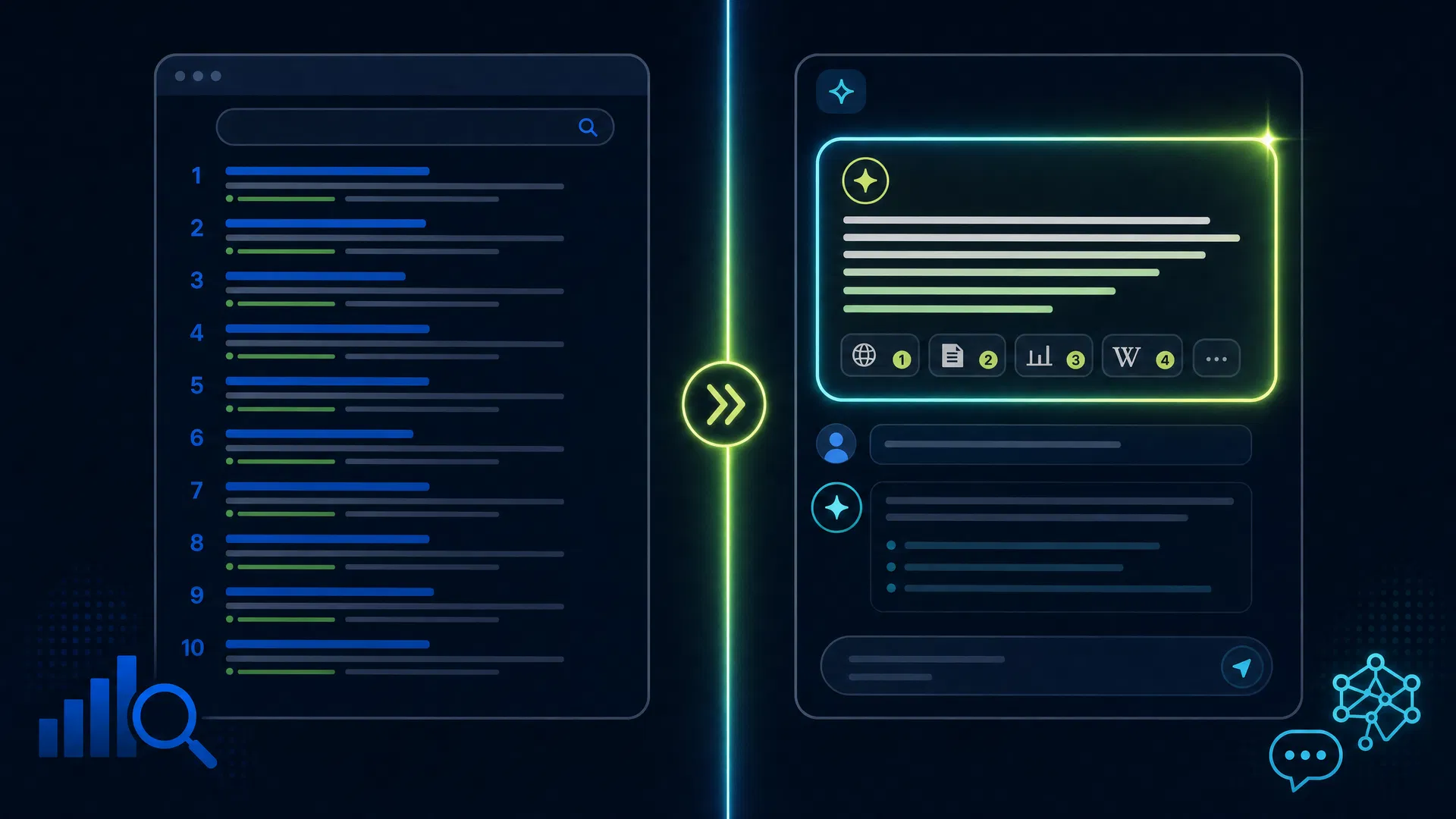
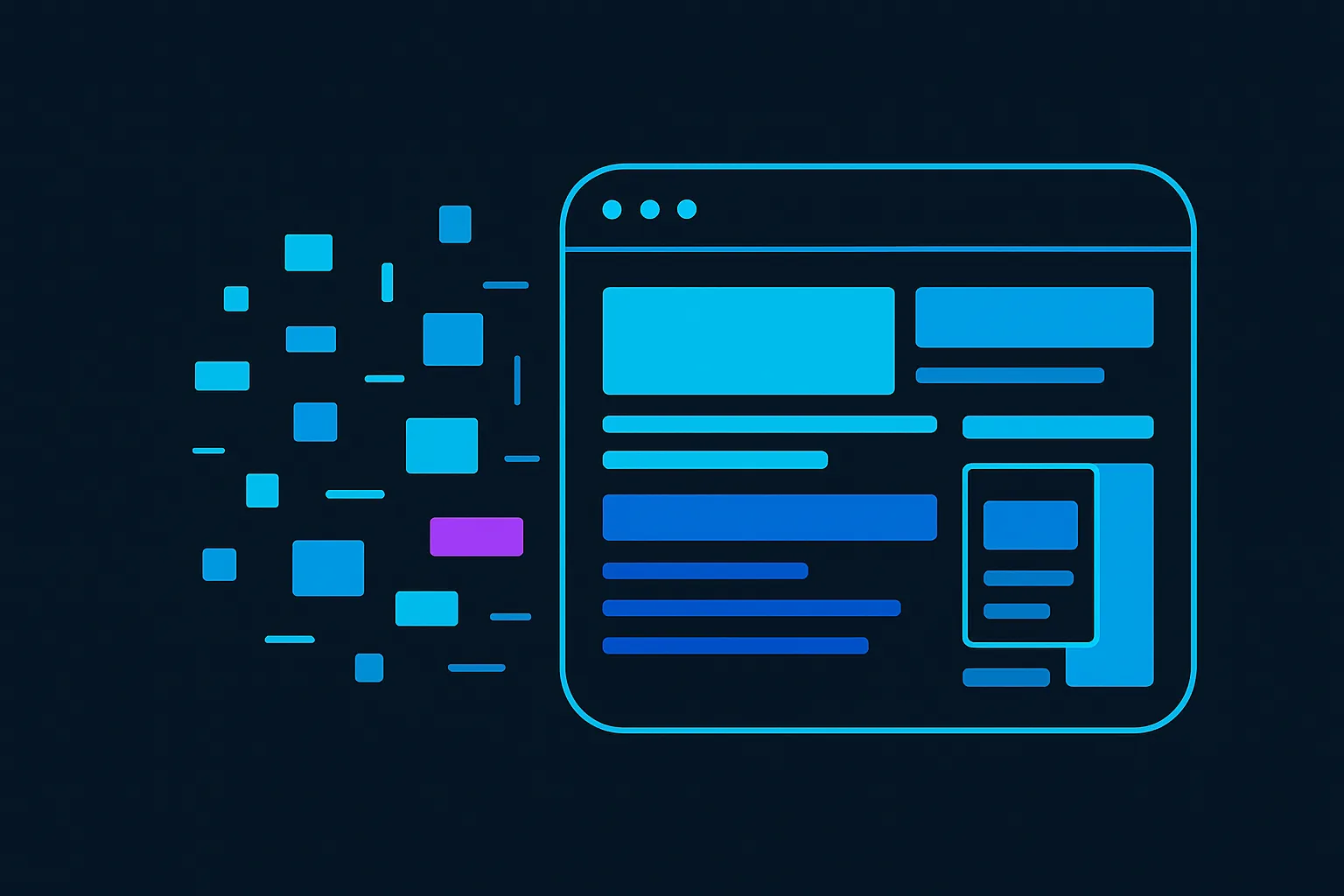
Traditional SEO (left) vs. Generative Engine Optimization — GEO (right). The AI answer box now sits above all organic results.
GEO vs. SEO: Understanding the New Landscape
Two new acronyms have entered the marketing vocabulary, and understanding the distinction between them is essential for choosing the right tools.
GEO — Generative Engine Optimization is the practice of structuring and positioning your content so that AI-powered search engines (ChatGPT, Perplexity, Google AI Overviews, Gemini) select it as a cited source in their generated answers. GEO is not about ranking in a list — it is about being the authority that the AI trusts enough to quote.
AEO — Answer Engine Optimization is closely related, focusing specifically on optimizing for direct-answer queries: the "what is," "how do I," and "best way to" questions that AI search engines answer conversationally. AEO-optimized content is structured in clear Q&A format with concise, citable answers followed by supporting depth.
| Dimension | Traditional SEO | GEO / AEO |
|---|---|---|
| Goal | Rank in blue links | Get cited in AI answers |
| Success metric | Position 1–10 | AI Overview / ChatGPT citation |
| Content format | Long-form, keyword-dense | Structured Q&A, concise + deep |
| Key signals | Backlinks, keywords, CTR | E-E-A-T, schema, topical authority |
| Tools needed | Semrush, Ahrefs, Moz | GEO trackers + content structure tools |
| Time to results | 3–6 months | 4–12 weeks for AI citation visibility |
The critical insight here is that GEO and SEO are not in conflict. Research from Ahrefs confirms that 97% of AI Overview citations come from pages already ranking in the top 20 organic results. This means your traditional SEO foundation is still the prerequisite — but it is no longer sufficient on its own. You need both.
The 6 Categories of AI SEO Tools You Need
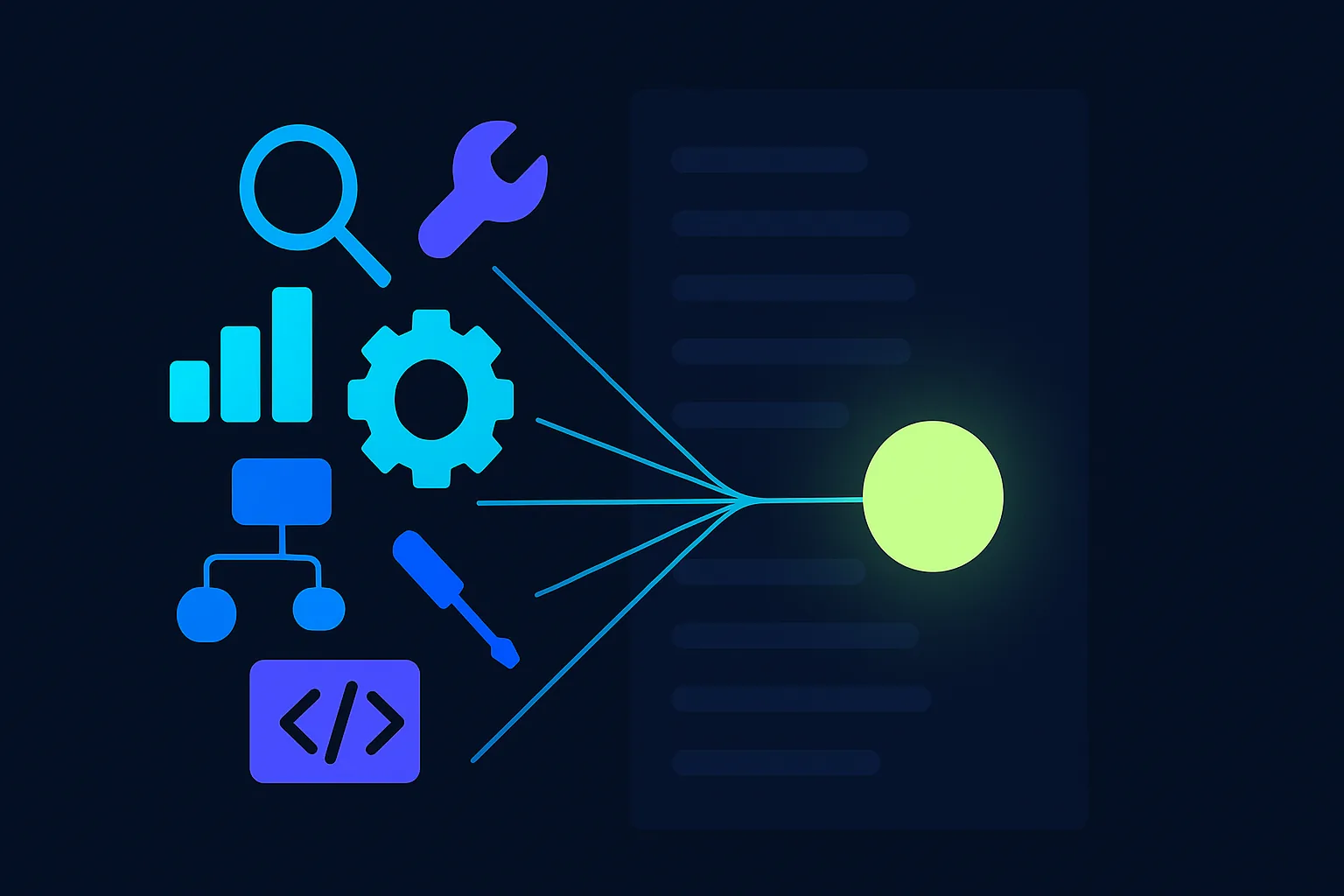
The AI SEO tools landscape in 2026 has matured into six distinct functional categories. A complete strategy requires coverage across all six — though not necessarily a separate tool for each. Here is what each category does and why it matters.

The five core capability areas of a complete AI SEO tool stack.
Keyword Research & Intent Analysis
These tools go beyond search volume to map keyword intent, identify AI Overview triggers, and surface conversational queries that AI search engines prioritize.
Content Optimization & GEO
AI-powered content editors that score your content against top-ranking pages and AI Overview citations, suggesting structural and semantic improvements in real time.
AI Rank Tracking & Visibility
Next-generation rank trackers that monitor not just Google positions but also AI Overview appearances, ChatGPT citations, and Perplexity mentions.
Technical SEO & Schema Generation
Tools that audit your technical foundation and auto-generate schema markup — the structured data layer that helps AI parse and cite your content accurately.
AI Writing & Content Briefs
AI assistants that generate SEO-optimized content outlines, draft sections, and ensure topical coverage matches what AI search engines expect to see.
E-E-A-T & Brand Authority Tools
Platforms that monitor your brand's mentions, citations, and authority signals across the web — the trust layer that AI models use to decide whether to cite you.
Top AI SEO Tools Reviewed for 2026
Rather than listing every tool on the market, this section focuses on the platforms that have demonstrated measurable results in the specific context of AI search optimization — not just traditional SEO.
Surfer SEO
Best for Content GEOSurfer's Content Editor has evolved beyond keyword density scoring to analyze how AI-friendly your content structure is. Its real-time SERP analysis now incorporates AI Overview citation patterns, helping you identify the structural elements — heading hierarchy, question-answer pairs, entity coverage — that correlate with AI citation rates. The NLP analysis engine is particularly strong for identifying semantic gaps that prevent AI models from confidently citing your content.
Key Strengths
- Real-time AI Overview correlation data
- Entity and NLP gap analysis
- Topical map builder for cluster strategy
Consideration
Semrush AI Toolkit
Best All-in-One PlatformSemrush has invested heavily in AI search features, adding AI Overview tracking, GEO visibility scoring, and an AI-assisted content brief generator to its already comprehensive platform. For businesses that want a single platform covering keyword research, site audits, backlink analysis, and AI search visibility, Semrush remains the most complete option. Its AI Overview tracker shows which of your pages are appearing in AI-generated answers and which competitor pages are displacing you.
Key Strengths
- AI Overview position tracking
- Competitor GEO gap analysis
- Integrated keyword + content + technical SEO
Consideration
BrightEdge
Best for Enterprise AI VisibilityBrightEdge's Data Cube and AI-powered recommendations engine was built for enterprise-scale SEO, but its AI search visibility features are among the most sophisticated available. The platform tracks brand mentions and citations across ChatGPT, Perplexity, Google AI Overviews, and Gemini simultaneously, providing a unified view of your AI search presence. For larger organizations managing hundreds of pages, BrightEdge's automated content recommendations tied to AI citation data are particularly valuable.
Key Strengths
- Multi-platform AI citation tracking
- Automated content gap recommendations
- Enterprise-grade reporting and attribution
Consideration
Frase
Best for AI Content BriefsFrase excels at the research and brief-creation phase of content production. Its AI analyzes the top-ranking pages and AI Overview citations for your target query, then generates a comprehensive content brief that maps the questions, entities, and structural elements your content needs to include to compete. For teams producing high volumes of SEO content, Frase dramatically reduces the research time per article while improving the AI-friendliness of the output.
Key Strengths
- AI Overview-informed content briefs
- Question research from PAA and AI search
- Built-in AI writer with SEO scoring
Consideration
AI Search Ranking Factors You Can Control
Understanding which factors influence AI search citations is essential for prioritizing your optimization efforts. Unlike traditional SEO — where ranking factors are partially opaque — AI search engines are more transparent about what they value: authoritative, well-structured, citable content.

AI search engines select one authoritative source to cite — the rest become invisible. The tools in this guide help you be the one that gets chosen.
Structured Data / Schema Markup
CriticalAI models parse schema markup to understand entities, relationships, and content type. FAQ, HowTo, Article, and LocalBusiness schema directly improve AI citation rates.
E-E-A-T Signals
CriticalExperience, Expertise, Authoritativeness, and Trustworthiness. AI models weight these heavily. Author bios, credentials, external citations, and review signals all contribute.
Topical Authority
HighAI models favor sites that cover a topic comprehensively. A cluster of deeply interlinked articles on a subject signals authority that individual pages cannot.
Conversational Content Structure
HighContent written in direct Q&A format — with clear headings, concise answers, and supporting detail — is far more likely to be extracted and cited by AI search engines.
Organic Ranking Position
High97% of AI Overview citations come from pages ranking in the top 20 organic results. Traditional SEO still forms the foundation of AI search visibility.
Page Speed & Core Web Vitals
MediumFast, well-structured pages are crawled more efficiently by AI bots. Poor Core Web Vitals can suppress both organic and AI search visibility.
AI SEO for Home Service Companies: A Special Case
Home service businesses — HVAC, plumbing, electrical, roofing, landscaping — face a uniquely high-stakes version of the AI search challenge. When a homeowner's AC stops working at 10pm, they are not browsing ten blue links. They are asking ChatGPT or Siri "who is the best HVAC company near me" and acting on the first answer they receive.
For local service businesses, the AI search optimization stack looks different from enterprise SEO. The highest-priority tools and tactics are:
LocalBusiness Schema
Structured data that tells AI exactly what services you offer, where you serve, your hours, and your reviews. Without it, AI models cannot confidently cite you for local queries.
Review Signal Monitoring
Tools like Birdeye that aggregate and monitor your Google, Yelp, and Facebook reviews — the trust signals AI models use to evaluate local service quality.
FAQ Content for Service Pages
Every service page should answer the 5–8 questions homeowners actually ask. This Q&A structure is exactly what AI search engines extract for local service queries.
Google Business Profile Optimization
Your GBP is a primary data source for Google AI Overviews on local queries. Completeness, photo recency, and review velocity all influence AI citation probability.
Tebeau Group Insight
We specialize in AI search optimization for home service companies. Our clients have seen measurable increases in AI Overview citations within 60–90 days of implementing structured data, FAQ content, and GBP optimization. The combination of traditional local SEO and AI search optimization is where the biggest gains are available right now — most competitors have not made the shift yet.
Your 90-Day AI SEO Action Plan
The most common mistake businesses make with AI SEO is trying to do everything at once. This 90-day framework prioritizes the highest-impact actions first, building a foundation before layering in more sophisticated optimizations.
Foundation: Audit, Schema, and Technical Cleanup
- Run a full technical SEO audit (Semrush or Screaming Frog) and fix critical errors
- Implement Article, FAQ, and LocalBusiness schema on all key pages
- Set up AI Overview tracking in Semrush or Search Atlas to establish baseline visibility
- Audit and complete your Google Business Profile — photos, services, Q&A section
Content: Structure Existing Pages for AI Citation
- Identify your top 10 pages by organic traffic and restructure them with Q&A sections
- Use Surfer SEO or Frase to identify semantic gaps and add missing entity coverage
- Add author bios with credentials to all blog and service pages (E-E-A-T signal)
- Create a topical cluster around your primary service keyword — 5–8 supporting articles
Authority: Build the Trust Signals AI Models Rely On
- Launch a review generation campaign — AI models weight review recency and volume
- Earn 3–5 citations from local and industry authority sites (chambers, trade associations)
- Publish one comprehensive pillar page targeting a high-value AI search query in your industry
- Review AI Overview citation data and iterate — double down on what's working
Frequently Asked Questions
What are AI search engine optimization tools?
AI search engine optimization tools are software platforms that use artificial intelligence to help businesses rank in both traditional search engines (Google, Bing) and AI-powered search platforms (ChatGPT, Perplexity, Google AI Overviews). They automate keyword research, content optimization, technical audits, and increasingly help optimize for Generative Engine Optimization (GEO) and Answer Engine Optimization (AEO).
What is the difference between SEO and GEO?
Traditional SEO focuses on ranking in the 10 blue links on Google's results page. GEO (Generative Engine Optimization) is the practice of optimizing content so it gets cited inside AI-generated answers from platforms like ChatGPT, Perplexity, and Google AI Overviews. GEO requires structured, authoritative, conversational content that AI models can confidently cite.
Which AI SEO tools are best for small businesses?
For small businesses, the most accessible AI SEO tools include Surfer SEO (content optimization), Semrush (keyword research and site audits), and Frase (AI-assisted content briefs). For AI search visibility specifically, tools like Search Atlas offer GEO tracking at more accessible price points. The best approach is to combine a content optimization tool with a rank tracker that monitors AI Overview appearances.
How do I get my website cited in ChatGPT and Perplexity?
To get cited in ChatGPT, Perplexity, and Google AI Overviews: (1) publish authoritative, well-structured content that directly answers specific questions, (2) implement schema markup so AI can parse your content accurately, (3) build E-E-A-T signals through author bios, citations, and external mentions, (4) earn backlinks from high-authority sources, and (5) ensure your content appears in the top 20 organic results — 97% of AI Overview citations come from pages ranking there.
Ready to Get Cited in AI Search?
We'll audit your current AI search visibility, identify the highest-impact opportunities, and build a custom roadmap — no obligation.